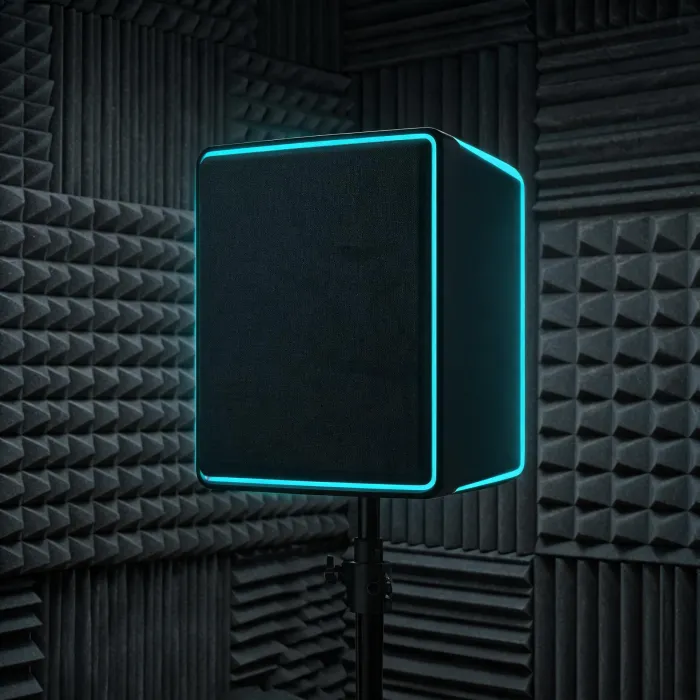
Loudspeakers
Coverage and directivity first


LOUDSPEAKERS · POWER · PROCESSING
Start with audience geometry, program level and operator workflow. Then align loudspeakers, subwoofers, amplification, routing and protection around evidence that can be checked at handover.
TWO SYSTEM PATHS
The values below are design inputs, not product promises. Final limits depend on the selected QSC model, measurement method, array geometry, processing preset and room.
| Planning input | Portable PA path | Installed venue path |
|---|---|---|
| Coverage objective | Near-to-mid throw, audience follows the setup | Fixed zones, balconies and architectural limits |
| Low-frequency handoff | Begin evaluation near 80–100 Hz | Model placement and delay before setting crossover |
| Level verification | Representative audience positions during program playback | Mapped seat grid with stored measurement conditions |
| Service priority | Fast setup, transport and cable simplicity | Remote visibility, access and documented recovery states |
SYSTEM BUILDING BLOCKS
Coverage and directivity first
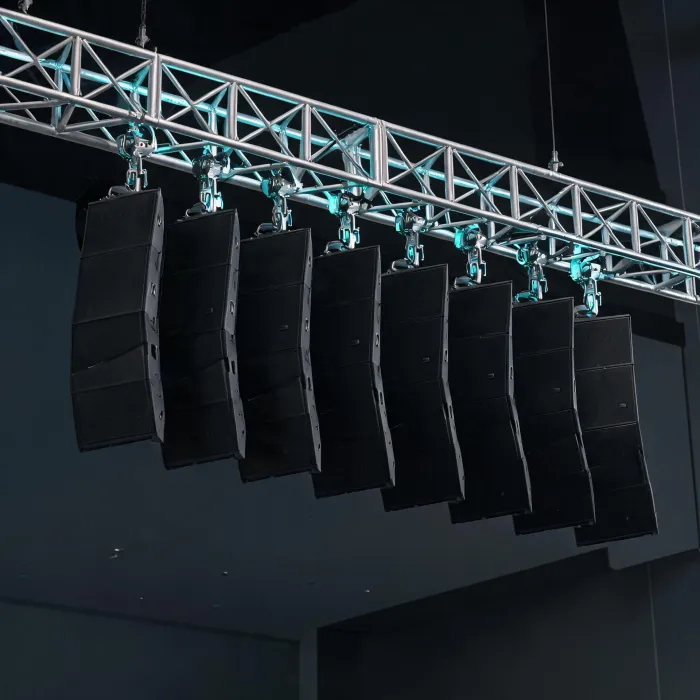
Geometry, load and prediction
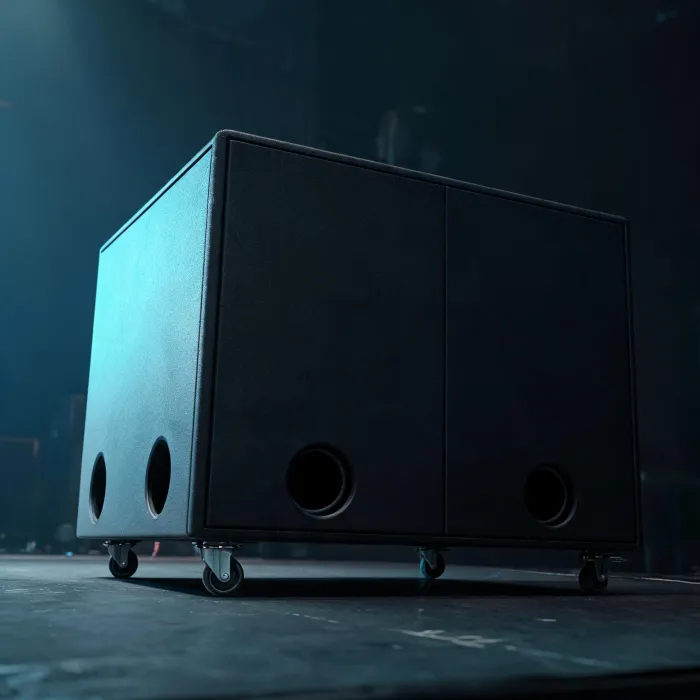
Placement, polarity and headroom
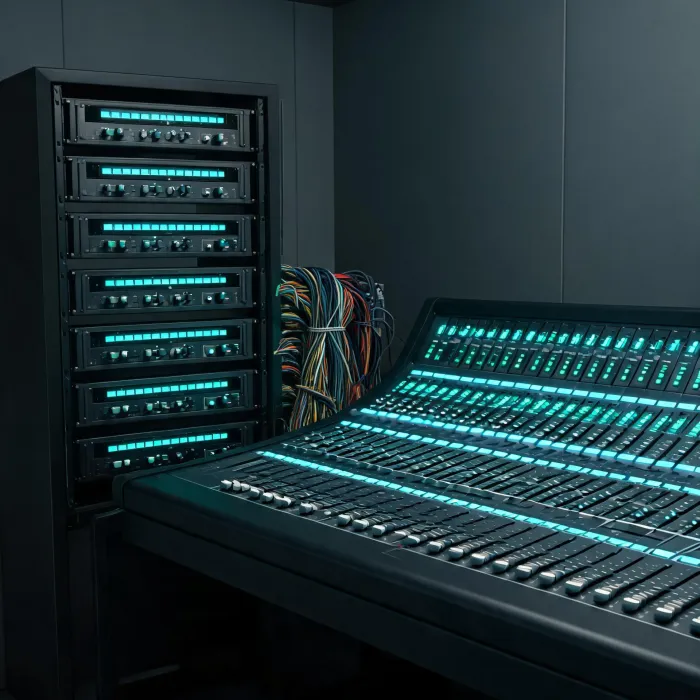
Routing, gain structure and protection
COMMISSIONING CONTEXTS
These are verification scenarios, not claimed customer installations. Each one changes the measurements, access plan and operating boundaries required before sign-off.
Check arrival time, weather exposure, emergency paging integration and level consistency across seating tiers.
Correlate prediction with front, middle and balcony measurements while preserving sightlines and rigging limits.
Document source routing, zone priorities, remote monitoring and a recovery state that nontechnical staff can use.
EVIDENCE CHAIN
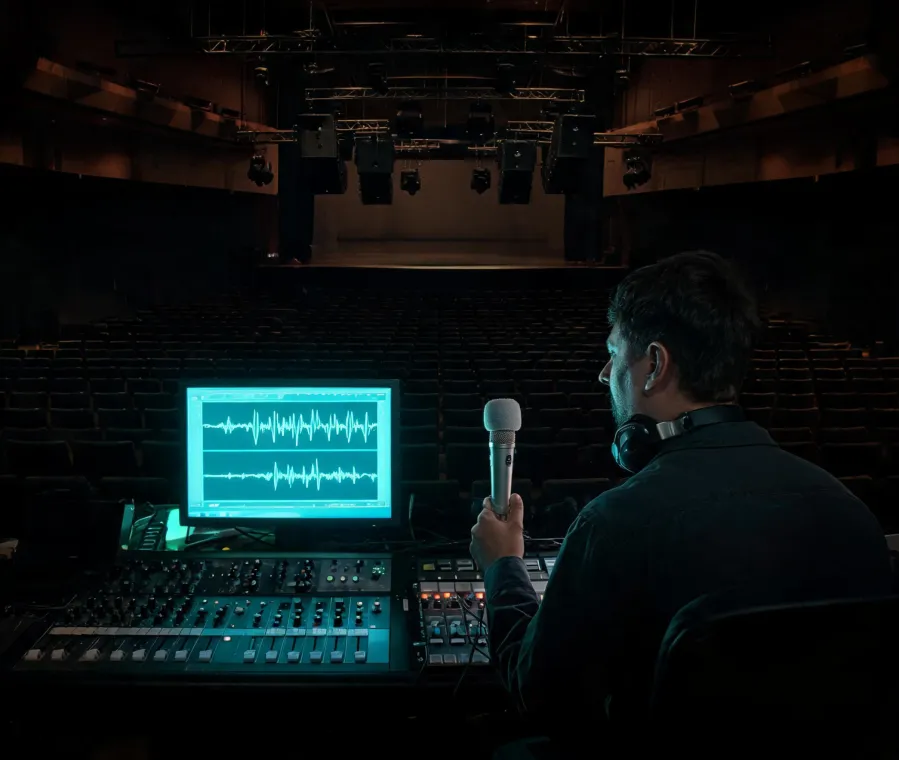
Record microphone position, bandwidth, weighting, source signal and operating level beside every result.
Review gain structure, nominal impedance, limiter behavior and ventilation under the intended duty cycle.
Use time windows and multiple positions so a single reflective seat does not define the system equalization.
Archive presets, routing, delay, polarity and approval notes so later service does not begin from guesswork.
START WITH THE ROOM
Share audience boundaries, mounting limits, program type, source count and handover requirements. The first response can then identify suitable product categories and the evidence still needed.